
BIG garantiu convite para o Cologne Major ao chegar à final em Belgrado
Reaching the final of a prominent tournament and earning an invitation to a Major is a meaningful milestone for any esports organization. For a team like BIG, such an achievement can influence many aspects of competitive life, from practice routines to public perception. This article looks at those broader implications and offers practical guidance for players and fans who follow the Major race.
The focus here is evergreen rather than news-driven: no specific match details or statistics are required to understand what an invitation typically entails. Instead, the goal is to outline common effects on team dynamics, ranking considerations, and community activities such as skin collecting and trading.
What an invite usually means for a team
An invitation to a Major often serves as validation of a team’s recent performance level and stability. It can change how opponents prepare for them and how the team prioritizes practice. The psychological boost of knowing participation in a marquee event is secured can influence player confidence and scheduling.
Teams commonly adjust preparation to reflect the step up in competition. This may include refining map pools, simulating high-pressure scenarios in scrims, and focusing on strategic depth. Invitations also affect logistical planning, as travel and preparation windows shift to accommodate the Major’s structure and timeline.
For staff and management, an invite can reframe short-term objectives. Coaching emphasis might shift from long-term rebuilding to fine-tuning and maximizing competitive readiness. Support personnel often concentrate on performance optimization, recovery, and minimizing external distractions.
Ranking and competitive implications
Securing a spot at a Major typically plays into broader ranking systems and perceptions within the scene. While specific ranking formulas vary, consistent appearances at high-level events tend to maintain or enhance a team’s standing among peers. An invite removes the immediate uncertainty of qualifying and allows teams to plan for the next competitive cycle.
From a match-preparation viewpoint, teams that are confirmed for majors often analyze the potential field more deeply. They study likely opponents, adapt to shifting metas, and place emphasis on flexibility across maps. Such focus can help sustain or improve competitive results over time.
It is also common for roster and role considerations to be re-evaluated in light of major invitations. Teams may test different tactical approaches in lower-pressure settings to identify the most reliable strategies for the Major environment.
Community side: skins and fan engagement on a budget
Fans following the Major race often engage in collecting skins and other in-game items as a way to express support. Doing this without overspending is a practical concern for many. Budget-conscious collectors typically rely on patient market observation, trading, and community exchanges rather than impulsive purchases.
One sensible approach is to set clear priorities: determine which skins matter most and allocate resources accordingly. This helps avoid scattered spending and enables focused acquisition strategies. Trading within trusted communities can also yield desirable items without resorting to heavy market purchases.
Another tactic is to monitor in-game opportunities and community events that may offer access to items through play or participation. Staying informed about how the community circulates items and builds value can help collectors make better decisions over time.
Finally, maintaining a long-term perspective reduces pressure to chase fleeting trends. Popular items can cycle through demand, and patient collectors often find better options by waiting for opportune moments rather than following immediate hype.
Practical recommendations for teams and followers
For teams that secure invites, emphasizing recovery and focused preparation tends to yield benefits. Balancing practice intensity with physical and mental rest helps maintain peak performance. Clear communication across coaching staff and players ensures that short-term adjustments align with long-term goals.
For fans, cultivating responsible collecting habits preserves enjoyment without financial strain. Engaging with community marketplaces, trading networks, and informed decision-making supports a sustainable approach to acquiring skins and memorabilia.
Both teams and fans share an interest in nurturing a healthy competitive ecosystem. Thoughtful planning, whether for tournament readiness or budgeted collecting, contributes to a more enjoyable and resilient scene.
Conclusion
Reaching a final in a significant event and receiving an invitation to a Major can be an important development for a team like BIG. The effects are multifaceted, influencing preparation, rankings, perception, and community engagement. By focusing on structured preparation and prudent choices, teams and fans can maximize the positive outcomes that come with such milestones.
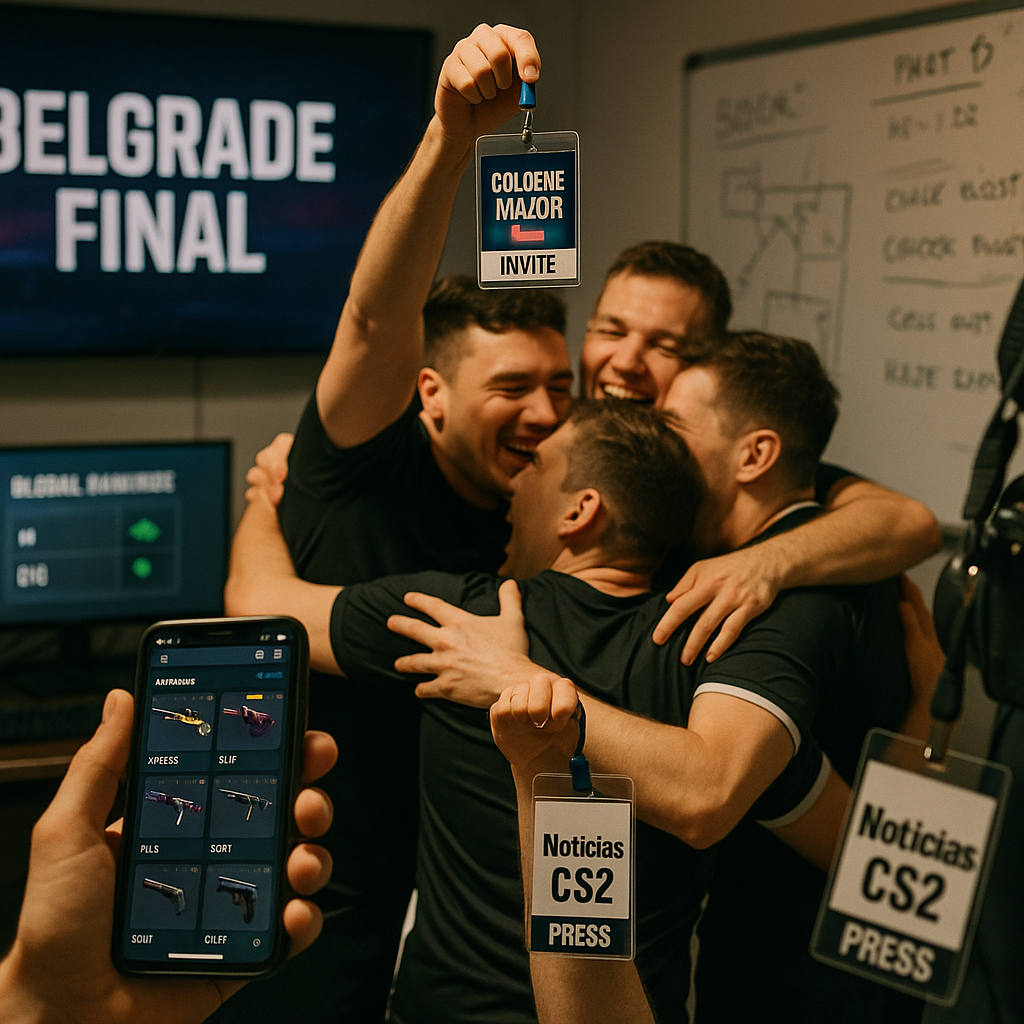
Ultimately, the competitive journey around majors is shaped by steady work, strategic planning, and informed participation from the wider community. Those elements remain relevant regardless of the specific results or schedules that appear in the short term.