
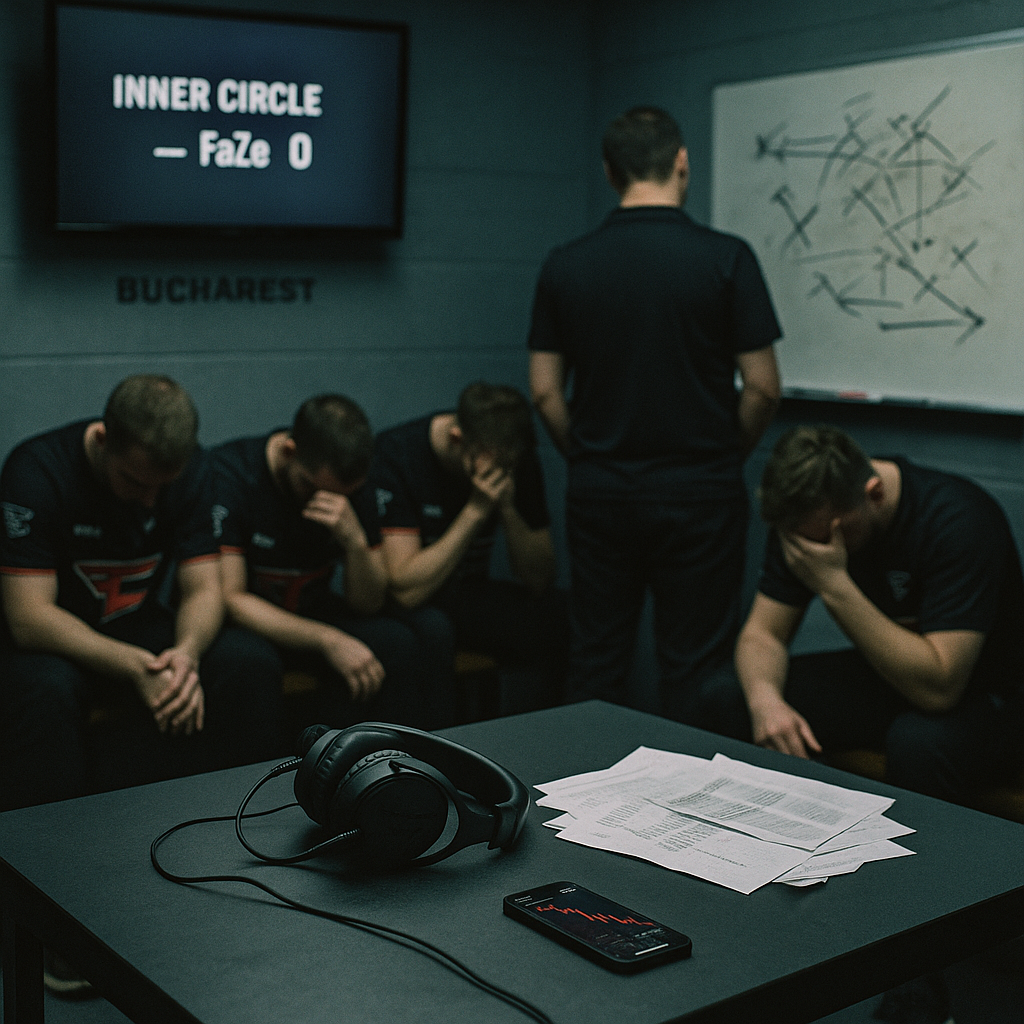
FaZe fechou a semana em crise com eliminação por 0x2 para a Inner Circle em Bucareste
When a high-profile team experiences a straight-set elimination, the immediate perception is often one of crisis. Such results can trigger introspection at multiple levels: coaching, roster dynamics, practice routines and public narrative. This article explores general, evergreen implications of that kind of outcome, offers tactical considerations teams commonly address afterward, and provides neutral guidance for players, fans and collectors who follow competitive shifts and skin markets.
What a straight-set elimination commonly means for a team
A defeat in consecutive maps can highlight both short-term and structural issues. In the short term, it usually underscores specific weaknesses that opponents exploited during the match: map preparation, mid-round decisions or individual form. Teams often treat such losses as feedback on immediate habits that need correction.
On a broader level, recurring poor results can prompt deeper evaluations. Coaching staff may review practice regimes, in-game leadership might be reassessed, and the team’s identity—whether aggressive, tactical, or adaptive—can come under scrutiny. These conversations tend to focus on sustainable improvements rather than quick fixes, aiming to rebuild confidence and coherence over a cycle of practice and smaller events.
Tactical adjustments and practice priorities after a loss
After a clear defeat, teams usually prioritize a few practical areas. First, they analyze replay material to identify patterns: which maps or positions repeatedly caused trouble, where utility usage was ineffective, and how opponents exploited timing and rotations. This analysis is descriptive rather than speculative, aimed at turning abstract issues into concrete practice tasks.
Second, practice sessions often shift toward simulated pressure situations. This can include focused scrims on problematic maps, set-piece rehearsals for post-plant scenarios, and drills designed to sharpen communication under duress. Mental routines, such as review sessions that emphasize learning points over blame, are also part of a balanced recovery approach.
Finally, teams consider adjustments to their strategic repertoire. This might mean refining a map pool to strengthen core options, diversifying executes to reduce predictability, or clarifying roles so players know priority responsibilities in critical rounds. These measures aim to make the team less vulnerable to repeated tactical exploitation.
Broader implications for the Major race, rankings and skin-market sentiment
In competitive ecosystems, single results feed into longer narratives about form and prospects. A loss can influence seeding discussions, qualifier momentum and public expectations, but it rarely determines long-term outcomes on its own. Teams with depth and good structures often recover by addressing root causes rather than reacting to headlines.
For fans and collectors, professional performance sometimes correlates with market sentiment around cosmetic items. When a team stumbles, short-term attention patterns can shift, affecting interest in themed drops or player-related items. However, market movements are influenced by many factors beyond match results, including new releases, in-game events and broader community trends. Responsible collectors focus on personal preferences and budgets rather than chasing transient hype.
Practical guidance for fans, players and collectors
Fans looking to understand a team’s situation should prioritize long-term signals over single matches. Look for consistent improvements in communication, map adaptability and the ability to close out tight rounds. These tend to be stronger indicators of recovery than isolated wins or losses.
Players and aspiring competitors can use such results as case studies. Studying replay footage with an emphasis on decision-making, utility usage and rotation timing offers practical lessons that apply across teams and formats. Emphasizing fundamentals in practice—aim, positioning, trade discipline—provides a stable base for tactical experimentation.
Collectors should approach skins and related investments with clear priorities: set a budget, define aesthetic or sentimental goals, and avoid reacting solely to competitive swings. Diversifying purchases and waiting for considered opportunities tends to yield a more satisfying collection experience than chasing short-lived trends.
Conclusion
A straight-set elimination is a challenging moment for any organization, but it is also an opportunity for structured reflection and focused improvement. Teams that respond by identifying concrete tactical defects, reinforcing fundamentals in practice and preserving a constructive environment tend to recover more effectively. For observers, keeping perspective—valuing consistent indicators over single results—provides a clearer view of a team’s trajectory and a steadier approach to collecting and following competitive narratives.