
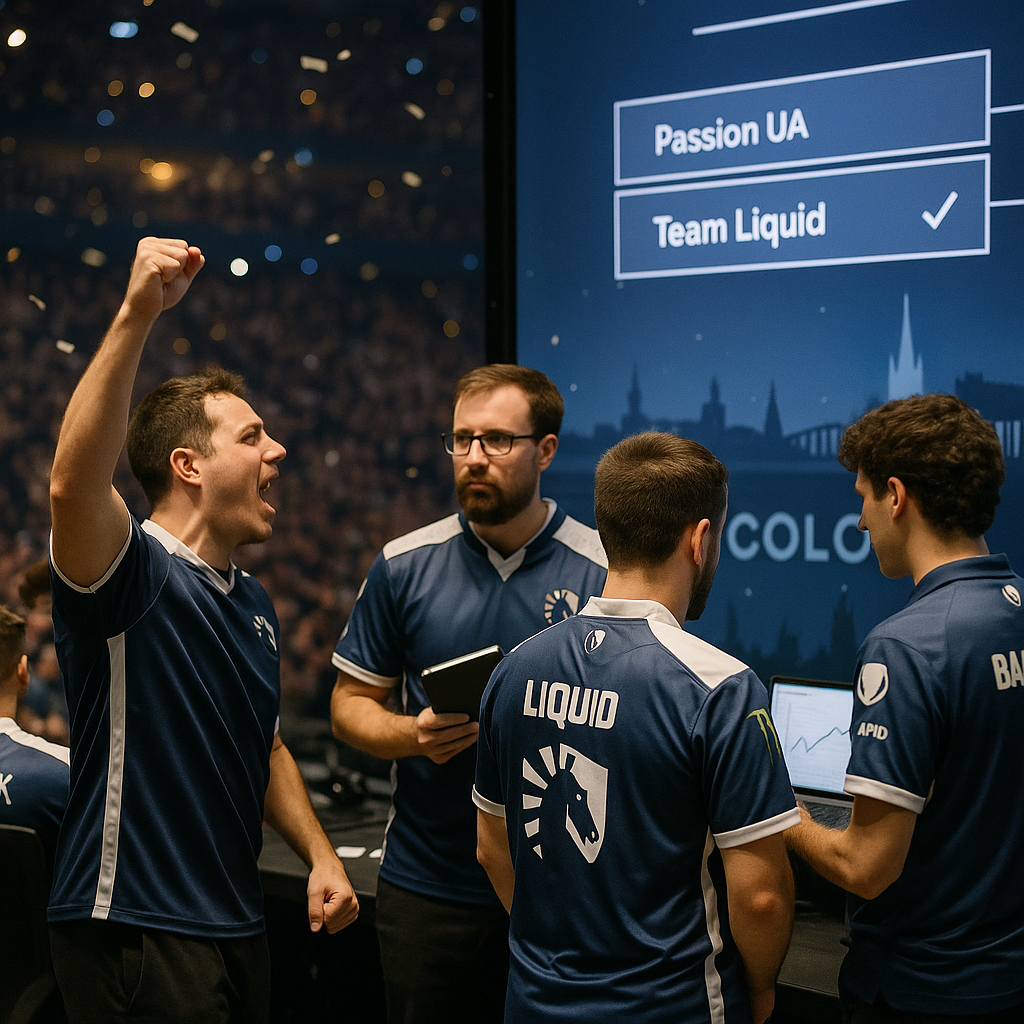
Liquid confirmou vaga no Cologne Major depois da eliminação da Passion UA
When a team secures a spot at a Major following the elimination of another contender, the immediate narrative is often about qualification. Beyond that headline, there are several evergreen considerations for teams, analysts and fans. This article explores general implications for competitive trajectory, ranking effects, preparation strategies and ancillary impacts such as community engagement and the in-game item ecosystem.
What Major qualification typically means for a team’s trajectory
Securing a Major slot is frequently a key milestone in a team’s competitive journey. It typically offers a concentrated period of high-level competition that exposes a roster to varied tactical challenges and pressure situations. For players and coaching staff, this environment can accelerate experience accumulation and highlight areas for systematic improvement.
Qualification also tends to influence internal planning. Teams often reassess practice regimens, map pools and strategic priorities in light of the higher stakes. This reassessment is an ongoing process rather than a single event, and it is centered on sustainable development rather than short-term fixes.
Ranking implications and the competitive landscape
When one team advances because another is eliminated, the competitive balance of the season can shift in subtle ways. Rankings, which reflect longer-term performance, are influenced by tournament participation and outcomes. A Major appearance increases opportunities for ranking points or visibility, depending on the ranking system used, which may affect seeding and invitations in future events.
Other organizations and teams also react strategically to such movements. Rosters that remain outside of major events might adjust scheduling, focus on regional qualifiers or prioritize events where they can maximize progress. From a macro perspective, roster stability and the ability to perform under pressure are often decisive over time.
Preparation, strategy and mental factors
Preparation for a Major differs from preparation for lower-tier events in scope and intensity. Teams commonly allocate more resources to opponent scouting, create tailored tactical plans, and emphasize mental conditioning. The psychological component is significant: entering a Major environment requires focus on decision-making under fatigue and on adapting to opponents who have diverse playstyles.
Coaching staffs may prioritize refining default strategies and ensuring that communication protocols are clear. Physical routines, rest management and deliberate practice sessions aimed at simulating tournament pressure are practical approaches that teams use to increase consistency.
Community effects and the in-game item ecosystem
Major events and the shifts they create in the competitive scene often reverberate through the community. Fan engagement can rise around teams that qualify, producing increased discussion, content creation and viewership interest. This heightened attention benefits the broader scene by deepening audience investment in narratives and rivalries.
The in-game item ecosystem, including skins and collectibles, is influenced by community sentiment and interest. While specific price movements or market effects should not be assumed universally, interest in teams and moments often correlates with attention to related items. Collectors and casual players alike may engage differently with items during Major periods, focusing on commemorative or team-themed offerings.
Broader considerations for organizations and stakeholders
For organizations, Major qualification can prompt a review of long-term objectives. Investment in infrastructure, support staff and analytics can be reassessed to align with ambitions on the international stage. Stakeholders often consider sustainable growth over reactive changes that prioritize short-term results.
Event organizers and the tournament ecosystem also adapt. Slot changes affect broadcasting plans, narrative building and scheduling. The overall vitality of the competitive cycle benefits when teams prepare thoughtfully and maintain competitive integrity across events.
Conclusion
A team confirming a Major spot following another team’s elimination is a concrete moment, but its true significance lies in lasting effects. Qualification creates opportunities for competitive growth, impacts rankings and shifts community dynamics. Sustainable preparation, strategic planning and attention to player welfare tend to deliver the most meaningful long-term benefits.
Observers and participants should view such developments as part of an ongoing competitive ecosystem. The immediate outcome is one step in a longer process of evolution for teams, rankings and the broader CS2 community.